How To Boost Blog Traffic In 2024
Growing blog traffic in 2024 requires more creativity than ever due to the impact of
Growing blog traffic in 2024 requires more creativity than ever due to the impact of AI, Google’s algorithm changes, and a rise in competition.
So, as a publisher or business owner, what does that mean for you?
This guide reveals eight sneaky but surefire ways to boost blog traffic.
8 Ways to Increase Your Blog Traffic
1. Target Long-Tail Keywords
Everybody wants to secure the coveted #1 ranking for high-volume keywords. But the harsh reality is that many will not accomplish that feat.
Competition is too high, forcing businesses and publishers with less authority to target less competitive keywords. That’s where long-tail keywords come into play.
Did you know that 95% of all keywords get fewer than 10 searches per month, and 15% of Google searches are new keywords that have never been searched before?
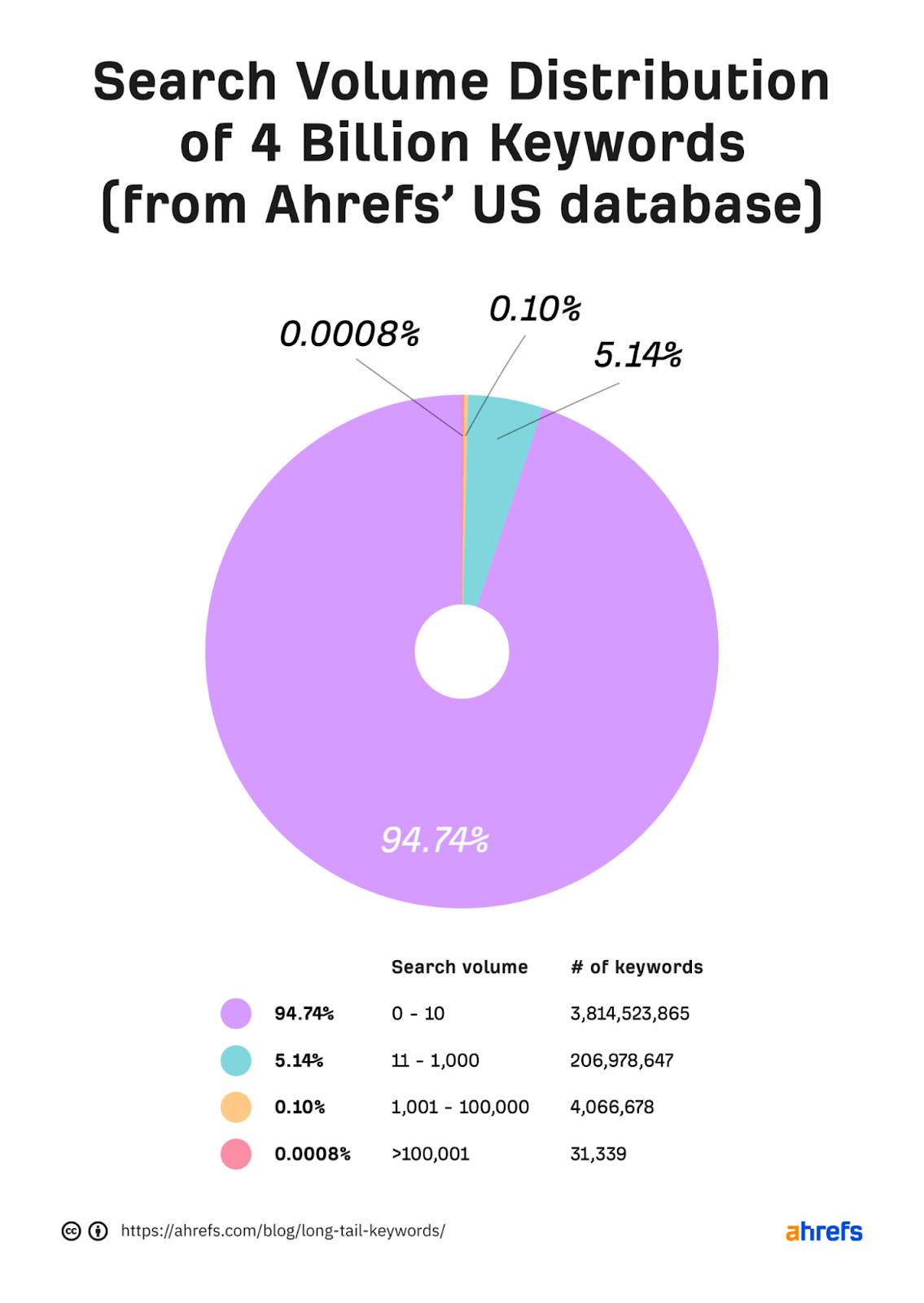
These longer, more specific phrases might have lower search volumes but often lead to higher conversion rates and less competition. So, how can you include them in your strategy to boost blog traffic?
First, use keyword research tools like Semrush, Ahrefs or Google’s Keyword Planner to identify relevant long-tail phrases.
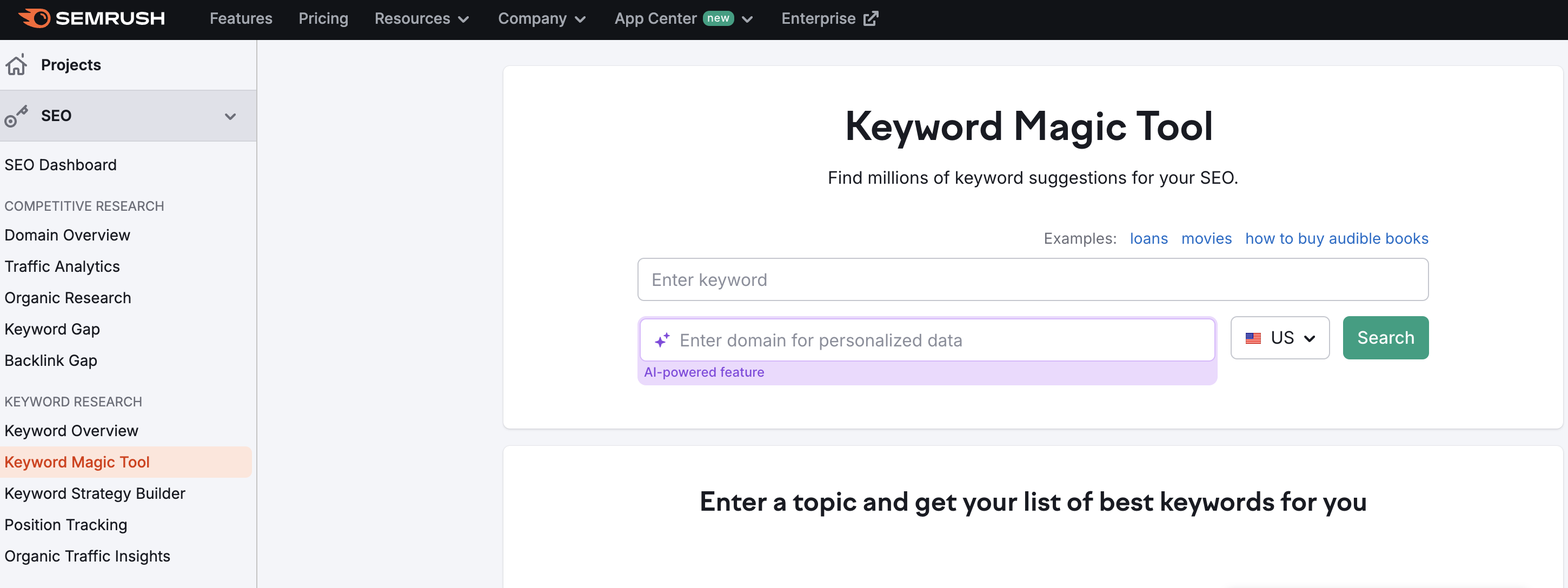
Create content categories with these keywords. Don’t worry about the search volume for now. The goal is to create in-depth, high-quality content that addresses the specific intent behind these searches.
Remember, while individual long-tail keywords may have low search volumes, collectively, they can drive significant traffic.
A study by SEO PowerSuite found that three-, four-, and five-word queries make up the majority of searches, highlighting the importance of a robust long-tail keyword strategy.
2. Create Evergreen Blog Content
While writing about new or trending topics is a great way to pick up some low competition traffic, evergreen pages are where you’ll find the most long-term success for your blog.
Skyword conducted a study on evergreen content and learned that it accounted for approximately 66% of organic search traffic over 3 years.
This is because evergreen articles tend to rank well in search engines for longer, which creates a more steady stream of organic traffic. As a publisher, you can focus on quality over quantity when prioritizing evergreen blog posts.
HubSpot performed a similar content audit and discovered that 76% of their monthly blog views and 92% of monthly blog leads come from old evergreen posts. For example, let’s look at HubSpot’s blog post on how to write a resignation letter.

And the post’s traffic has grown since its original publish date.

The post generated respectable organic traffic figures from July 2018 until May 2023. Then, the page content was updated, and traffic took off, generating 436,000 monthly visits. HubSpot has dozens of top pages just like this. It’s a masterclass on growing blog traffic with regularly updated evergreen blog posts.
When done successfully, you’ll reap the benefits from your evergreen blog posts for many years.
To create effective evergreen content:
- Focus on timeless topics relevant to your niche.
- Provide comprehensive, in-depth information.
- Use data and statistics to support your points.
- Update the content periodically to keep it fresh.
This tactic allows you to build a library of articles that consistently attract new readers and establish your blog as an authoritative resource in your industry.
3. Regularly Refreshing Existing Content
Regularly updating and refreshing existing content is a tactical way to boost blog traffic. Many blogs get too wrapped up in increasing new content output and let their old posts become outdated or irrelevant.
Let’s look at some real-world examples that demonstrate the impact of content refreshing.
Backlinko’s Brian Dean tested this strategy and reported that organic traffic to that page increased by 260.7% after updating and relaunching an old post. And it took only two weeks to see this boost in traffic.
So, how should you approach content refreshing?
Start by identifying your top-performing posts. These pieces have already proven their worth and are prime candidates for updates. Look for opportunities to add new information, update statistics, improve your visuals, and enhance your internal linking structure.
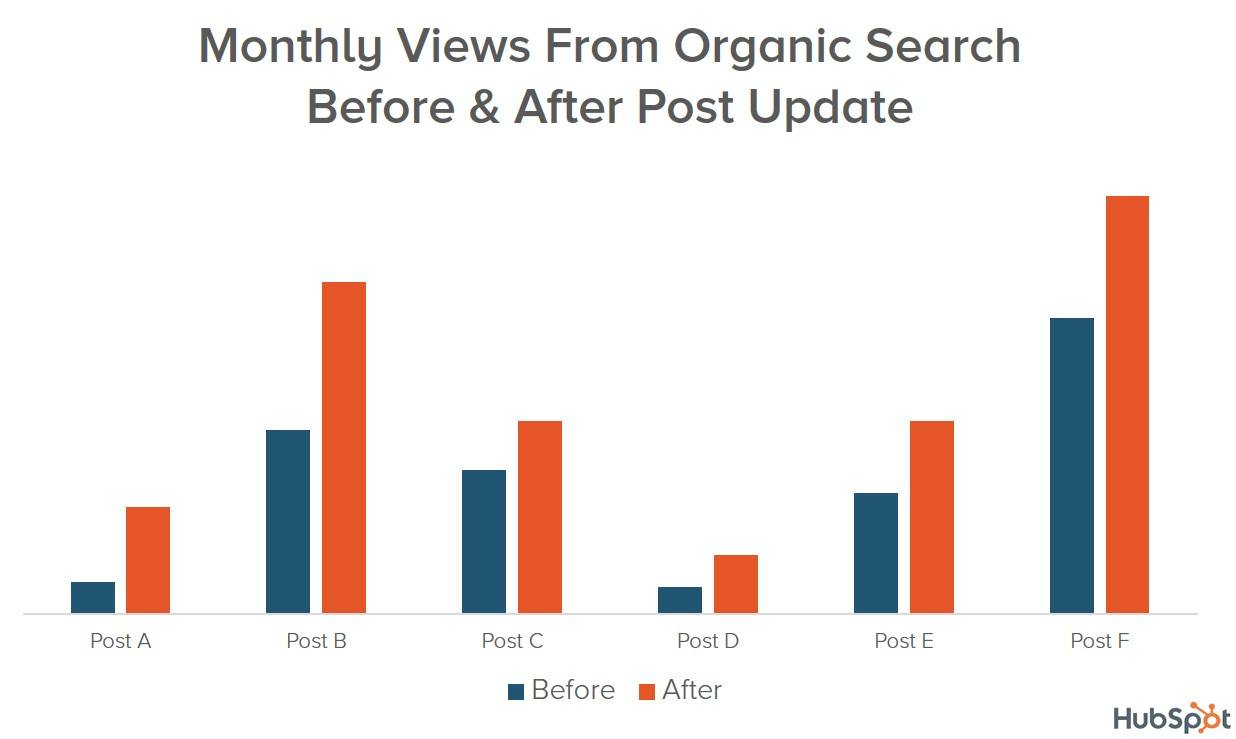
Always maintain the original URL to preserve existing backlinks and SEO value during a content update. Simply updating the publish date isn’t enough. We’ve noticed that updating at least 25% of the post, in some capacity, is the best approach.
The frequency of updates depends on your industry and the nature of your content. For rapidly changing topics, monthly or quarterly updates might be necessary.
For more evergreen subjects, annual refreshes could suffice. The key is to establish a regular schedule that works for your blog and stick to it.
As you implement this strategy, monitor your metrics closely. Track changes in organic traffic, backlinks, and conversion rates for refreshed posts. This data will help you refine your approach and maximize the impact of your content updates.
4. Develop an Internal Link Strategy
Internal linking is a powerful yet often overlooked strategy for boosting blog traffic. It’s been tested across thousands of sites, and the results are almost always positive.
A detailed study by Zyppy SEO analyzed 23 million internal links across 1,800 websites (approximately 520,000 individual URLs). The results were eye-opening:
- URLs with 40-44 internal links received four times more clicks from Google Search than those with 0-4 internal links.
- Pages with at least one exact match anchor had at least five times more traffic than pages without.
These findings highlight how impactful internal links are to blog traffic. But you’re probably wondering exactly how to develop an internal linking strategy that works.
Here are a few best practices for internal links…
- Aim for the sweet spot: Try to include 40-45 internal links per page for optimal results.
- Use descriptive anchor text: The study found that pages with more diverse anchor text received more Google traffic.
- Include exact match anchors: While you shouldn’t overdo it, some exact match anchors can help boost traffic and SEO rankings.
- Create a logical site structure: Use internal links to establish a clear hierarchy and help both users and search engines navigate your content.
- Regularly update old content: When performing your regular content refreshes, remember to add internal links to older posts.
Before getting started, conduct a content audit to identify linking opportunities. Tools like Ahrefs or SEMrush will help you analyze your current internal link structure.
After identifying categories where your blog could add new posts, you can create new cornerstone content that serves as a hub for related topics.
As new content is created, implement a system for adding internal links. Remember, internal linking isn’t just about SEO.
It’s about creating a better user experience by guiding readers to relevant, valuable content throughout your site.
5. Repurpose Blog Content On Other Social Platforms
One common mistake people make when trying to increase blog traffic is thinking that creating new content is the only solution.
There’s certainly a place where increasing content volume can produce results.
But there is an alternative that is faster (and cheaper). And that is content repurposing. Here’s how it works:
First, analyze your content to determine what a high-performing piece of content looks like. This can include metrics like:
- Number of social media shares
- Post engagement (e.g., comments)
- Search engine rankings
- Referral Traffic
- Shared by influential people within your niche
Whatever metric you decide to use, the goal is to choose blog content that performs well. It’s already been proven in the market, and you know it resonates with readers.
That post can be broken into smaller content pieces, such as:
- Tweets
- LinkedIn Posts
- Instagram Stories
- Infographics
- Guest Posts
- Video Clips
One example is to use high-performing long-form blogs to create shareable visual elements, such as infographics. Venngage found that infographics are liked and shared on social media 3x more than any other type of content.
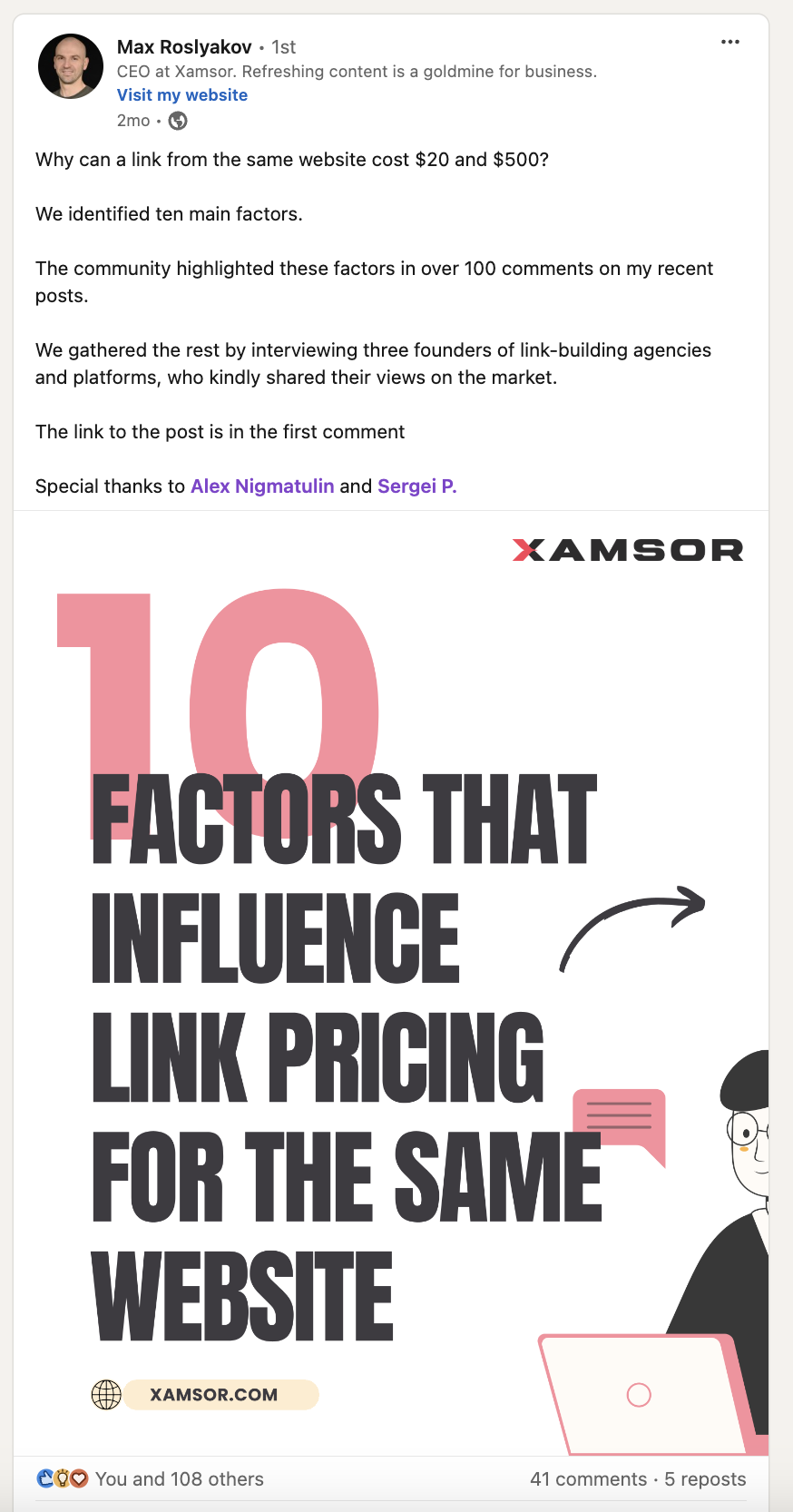
With tools like Canva or Piktochart, you can easily create eye-catching infographics summarizing key points from your blog posts.
It’s better to test multiple content types when repurposing blogs to see what works. After seeing some results, you can double down on one channel to drive more blog traffic at scale.
6. Guest Post on Authoritative Sites in Your Niche
When executed strategically, guest posting remains a powerful strategy for boosting blog traffic in 2024. Not only does it increase your site’s visibility by engaging with new audiences, but it’s also a viable way to build backlinks (we’ll cover this later).
Buffer, a popular social media management platform, used this strategy to grow organic blog traffic. Leo Widrich, one of Buffer’s co-founders, implemented an aggressive guest blogging strategy during the company’s early stages.
He wrote approximately 150 guest posts within nine months and grew to 100,000 users. And the most impressive part? Content marketing accounted for 70% or 70,000 of those signups.
Don’t worry, though. You don’t need to be as aggressive as Buffer to see a boost in blog traffic.
It’s important to remember that guest posting is two-fold. Quality guest posts help you acquire backlinks to boost traffic and build relationships with connections in your space.

When writing guest posts, focus on creating personalized articles that feel natural to read for the intended audience. Too much self-promotion or an overly salesy post can do more harm than good for your blog. People don’t like to be sold to and overly promotional language does not help you build trust with your reader.
To maximize the impact of guest posting:
- Focus on high-quality, valuable content that genuinely benefits the host blog’s audience.
- Target authoritative websites within your niche.
- Develop relationships with blog owners and editors.
- Promote your guest posts across your own channels to amplify your reach.
In 2024, quality trumps quantity when it comes to guest blogging. Aim for fewer, high-quality guest posts that provide genuine value to the host site’s audience.
7. Get High Quality Backlinks
Pages with a high number of backlinks tend to rank better in Google search results. The top-ranking page has an average of 3.8 times more backlinks than those ranking in positions 2-10.
Without backlinks, scaling past a certain point can be difficult. That’s where these effective link-building strategies can help increase blog traffic.
Create Linkable Assets
Linkable assets or link bait content is a great way to score some high-quality backlinks. This typically includes comprehensive guides, original research, or interactive tools.
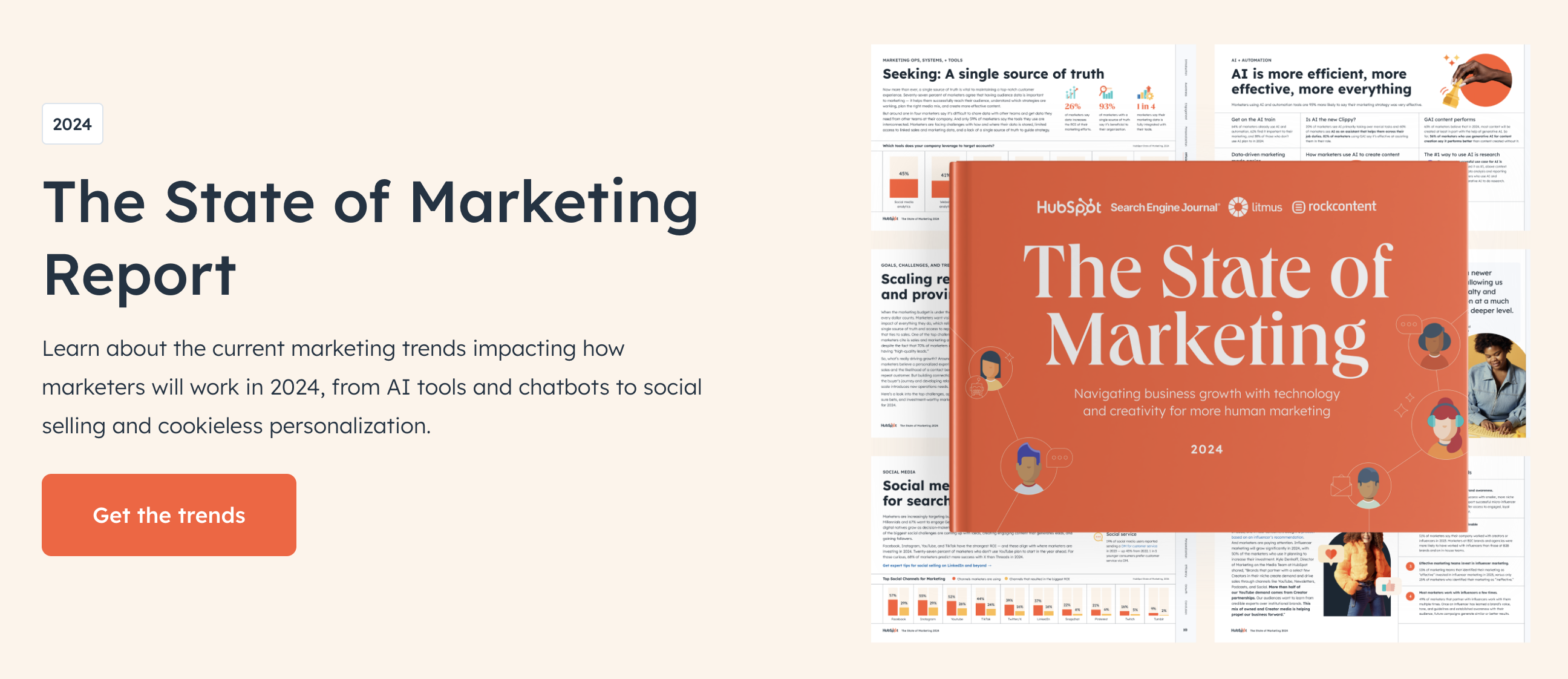
HubSpot’s State of Marketing annual report is a successful example of this strategy. Within just three months of publication, the latest edition attracted backlinks from over 2,500 unique domains.
While you may not have the reach HubSpot does, applying this strategy on a smaller scale is still possible.
Start by identifying gaps in your industry’s knowledge or data. Conduct original research or compile comprehensive resources into one place.
The goal should be to present information in visually appealing and easily digestible formats. Structure it so that updating the asset regularly is possible so that it can maintain its relevance and value.
Promoting this asset is the last step. Consider social media and email marketing as your primary channels.
Test Out Broken Link Building
Broken link building is when you find dead links on authoritative websites and offer your content as a replacement. While labor-intensive, this strategy can be highly effective for scoring quality links.
To get started, identify relevant websites in your niche that are likely to link to content similar to yours. Use tools like Ahrefs or Check My Links to find broken links on these websites.
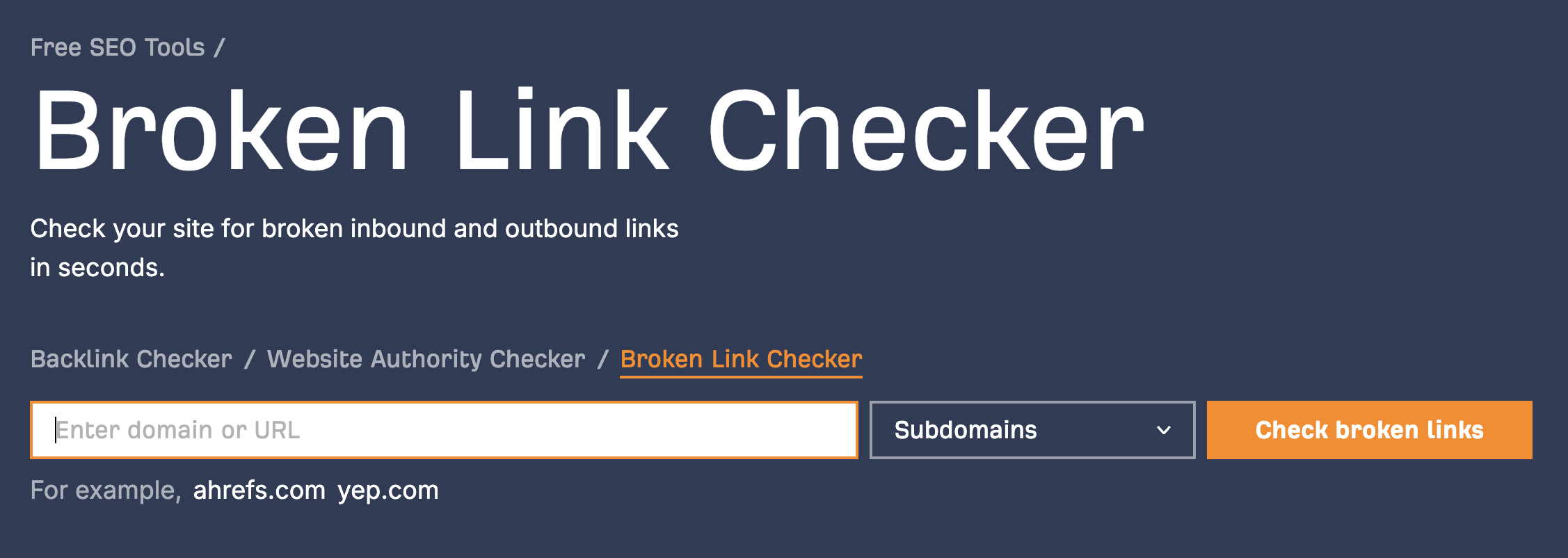
Reach out to the website owner, informing them about the broken link and offering your content as a replacement. Follow up politely if you don’t receive a response.
Unfortunately, you should expect a low response rate, meaning you’ll need to send a high volume of emails to generate results. However, this method can lead to quality backlinks and help you build relationships with other website owners in your niche.
8. Optimize For Voice Search
As voice-activated devices like Amazon Alexa and Google Home become increasingly popular, you can sneakily boost blog traffic by optimizing your content for voice search.
Ashot Nanayan, SEO Expert and CEO of DWI, explains that writing blog content that targets a query in line with how people speak (rather than type) can help your content rank.
For example, a long-tail keyword like “how to edit a PDF for free” will rank better for voice search than a written keyword like “free PDF editor,” which is also much more competitive. In fact, Ashot reported a 30% increase in organic traffic after six months of taking this approach.
If you want to implement the same approach on your blog, follow these steps to see the best results.
- Use natural language: Write content that mimics conversational speech patterns. This helps match the way people phrase their voice queries.
- Focus on long-tail keywords: Voice searches tend to be longer and more specific than typed queries. Incorporate these longer, more conversational phrases into your content.
- Answer questions directly: Structure your content to provide clear, concise answers to common questions in your niche. This increases the likelihood of your content being selected for voice search results.
- Create FAQ sections: Dedicate a portion of your content to frequently asked questions, addressing them in a conversational tone.
- Optimize for local searches: Many voice searches have local intent. Ensure your local SEO is up to par by including location-specific information and updating your Google Business Profile.
- Improve page load speed: Voice search results prioritize fast-loading pages. Optimize your site’s performance to enhance your chances of being selected.
Conclusion
Boosting your blog traffic in 2024 requires combining tried-and-true strategies with a personalized approach to see results. From creating better long-form content to optimizing for voice search, there’s a tactic here that’ll help you grow your audience and increase your blog’s visibility in the coming year.
Max Roslyakov
Founder, Xamsor